Olaplex No 3 Hair Repair Concentrate Gel Review & Test

Analysis Article: Olaplex No 3 Hair Repair Concentrate Gel
In the world of luxury haircare, some products become icons, surrounded by promises and enthusiastic testimonials. The Olaplex No 3 Hair Repair Concentrate Gel falls into this category. Marketed as a professional repair treatment for at-home use, it generates significant interest, but also questions. Is it suitable for all hair types? Is its action long-lasting? Here, we analyze this product in depth, decoding its technology, applications, and concrete feedback from the user community, to help you determine if it matches your hair needs.
Presentation and Technology: A Molecular "Bond Repairer"
The active principle of Olaplex No 3 relies on a patented technology for repairing disulfide bonds. Simply put, the hair's structure is held together by these chemical bonds, much like the rungs of a ladder. Damage (bleaching, chemical straightening, excessive heat) breaks these rungs, making the hair fiber porous, fragile, and elastic.
Unlike classic moisturizing masks which act on the surface by coating (with silicones, ceramides, or plant butters), Olaplex No 3 claims to penetrate the fiber to locate and rebuild these broken bonds. Therefore, it is not a simple moisturizing or nourishing treatment, but a structural one. It is this promise that radically distinguishes it from traditional haircare approaches.
This "bond-building" technology is similar to a principle of internal reconstruction. To draw an analogy, if a classic mask applies a coating to a cracked wall, Olaplex No 3 claims to fill the cracks from the inside before proceeding with the finish. On paper, this suggests a more durable and fundamental action on the long-term health of the hair.
Usage Analysis: For Which Hair Types and Needs?
Adaptation Based on Texture and Condition
Analysis of feedback shows that this product finds its ideal audience among severely damaged hair. This includes:
- Bleached or heavily colored hair: This is the historical target. Bleaching is particularly destructive to disulfide bonds.
- Chemically treated hair (straightening, perms).
- Hair weakened by heat (frequent blow-drying and straightening without adequate protection).
Regarding texture, the feedback is positive across a wide range, but with different expectations:
- Fine and damaged hair: Users report a gain in strength and hold, without weighing down the fiber. The product does not create a suffocating film that would flatten volume. It is therefore considered suitable, provided it is rinsed well.
- Thick, curly, or coily hair: The community, especially those with type 4a hair as mentioned in one review, notes benefits on curl definition and reduced frizz. By rebuilding the integrity of the fiber, the product allows curls to form more uniformly and resiliently. However, it does not replace a deep moisturizing or nourishing treatment (based on butters or oils) that these textures often need. It must be integrated into a complete routine.
Ease of Use and Integration into a Routine
The protocol is clear but requires some time. It is used as a pre-shampoo treatment on slightly damp hair. It must be applied section by section, massaged in, and left on for at least 10 minutes (some users leave it for up to 30 minutes, or even overnight for extreme damage). Thorough rinsing followed by shampooing and conditioning (or a mask) is imperative.
This required processing time is a crucial element of ease of use. It is not a "quick" 5-minute product. For regular weekly use, you need to plan for this slot in your routine.
Long-Term Impact on the Hair Fiber
Olaplex's central argument is a lasting structural impact. Testimonials converge on several points:
- Increased resistance: Less breakage, less elasticity (that phenomenon where wet hair stretches like chewing gum and doesn't return).
- Better tolerance to treatments: Many use it in preparation for bleaching to "prepare" and strengthen the hair, thus minimizing damage.
- Cumulative effect: Results seem to improve with regular use, suggesting a progressive reparative action.
However, it is not a magic and permanent solution. The protective effect against heat from tools (straighteners, blow dryers) is indirect: a repaired and more robust hair will better resist damage, but the use of a specific heat protectant (often based on polymers that coat the fiber) remains essential during each heat exposure. Olaplex No 3 repairs the past, it does not actively protect from the future.
See priceStrengths and Weaknesses
Major Strengths
Based on user feedback and expert analyses, the strengths are clear:
- Tangible reparative efficacy: For chemically damaged hair, results are often described as "spectacular," "a transformation," with hair that is softer, shinier, and above all stronger after a few uses.
- Deep structural action: Unlike masking treatments, it seems to act on the root cause of fragility.
- Versatility of application: Suitable for many textures as long as the hair is damaged. A user with curly afro hair thus reports: "I feel like I've recovered my hair from before!".
- Ideal complement to salon treatments: It allows you to prolong and maintain the effects of a professional Olaplex treatment (like the famous No.1 and No.2) done at the hairdresser.
Limitations to Consider
- Price per milliliter: This is the most recurring criticism. The 100 ml bottle seems expensive for the quantity, especially since the application must be generous, particularly on long or thick hair. As one user notes: "The price is perhaps a bit high for the quantity... I have long hair".
- It is not a moisturizing or nourishing treatment: Its role is to repair the structure. It does not exempt you from using a moisturizing or nourishing mask afterwards to add suppleness and shine. Another review confirms this: "Caution, it does not hydrate, so use it in addition to a moisturizing mask".
- Variable results on minimally damaged hair: A few users note a lack of "spectacular" results on simply dry or slightly tired hair, suggesting that the product shows its full potential on severe damage.
- Application process: The need for sufficient processing time makes it less convenient than a quick classic mask.
Technology Comparison: Where Does Olaplex No 3 Stand?
To properly position it, let's compare its action to other common technologies in haircare and tools:
- Ceramides & Proteins: These active ingredients act as "cement" or "bricks" to fill gaps in the hair cuticle (the outer layer). This is a filling and surface reinforcement action. Olaplex aims to rebuild internal bonds, a deeper level of action.
- Silicone Coatings: They smooth the cuticle, seal in moisture, and provide instant shine through a film-forming effect. This is purely cosmetic and temporary (removed with the next shampoo). Olaplex does not rely on this principle.
- "Ionic" or "Tourmaline" Technologies (blow dryers): They aim to seal the cuticle with a blast of air charged with negative ions or infrared, reducing frizz. This is a physical action of smoothing and sealing. Olaplex is a chemical action of internal reconstruction, complementary but different.
In summary, Olaplex No 3 is not a direct competitor of masks rich in butters (for very dry/coily hair) or thermal protection sprays. It is a tool specialized in structural repair, which can precede or accompany these other treatments for an optimal result.
What Users Say: A Synthesis of Opinions
Analysis of thousands of customer reviews and forum discussions reveals clear trends.
Recurring positive points:
- Transformation on damaged hair: Terms like "lifesaver," "incredible," "visible difference" constantly reappear among people with bleached, brittle, or elastic hair.
- Texture improvement: Hair is described as softer, smoother to the touch, and shinier.
- Visible strengthening: Significant reduction in breakage and split ends, according to users.
- Compatibility with curls: Many users with curly or wavy hair emphasize better curl definition and reduced frizz, as the restructured fiber behaves more consistently.
Frequent criticisms and reservations:
- Value for money: The main concern. The cost per use is high, especially for long hair which consumes a lot of product.
- Lack of miraculous effect on healthy hair: Some users with minimally damaged hair do not perceive a difference justifying the investment.
- Cumbersome process: The need to plan sufficient processing time is seen as a drawback for a quick routine.
- Need to complement with other treatments: Several remind that it is imperative to follow up with a shampoo and moisturizing mask for a perfect result. It does not do everything.
Technical Specifications and Key Data
| Characteristic | Detail |
|---|---|
| Product Name | Olaplex No 3 Hair Repair Concentrate Gel |
| Format | Gel |
| Volume | 100 ml |
| Recommended Hair Type | All types, especially damaged, bleached, or chemically treated hair. |
| Advertised Benefits | Repair, Strengthening, Color Protection. |
| Features | Sulfate-Free, Cruelty-free. |
| Recommended Use | Weekly repair treatment. Apply to damp hair, leave on for at least 10 min, rinse, then shampoo. |
| Origin | USA |
Conclusion: For Whom Is This A Justified Investment?
The Olaplex No 3 Hair Repair Concentrate Gel is not an ordinary haircare product. It is a specialized reconstruction tool that excels in its niche: repairing deep chemical and structural damage.
You should seriously consider this product if:
- Your hair is severely damaged by bleaching, repeated coloring, or chemical straightening.
- It is brittle, elastic and has lost all its strength.
- You are looking for a fundamental solution to rebuild the integrity of the fiber, and not a surface cosmetic treatment.
- You are ready to invest
Free content, no sponsors — Our editorial process is fully independent and receives no brand funding. Some links are affiliate links: if you purchase through them, we earn a small fee, at no additional cost to you.
Articles you might like
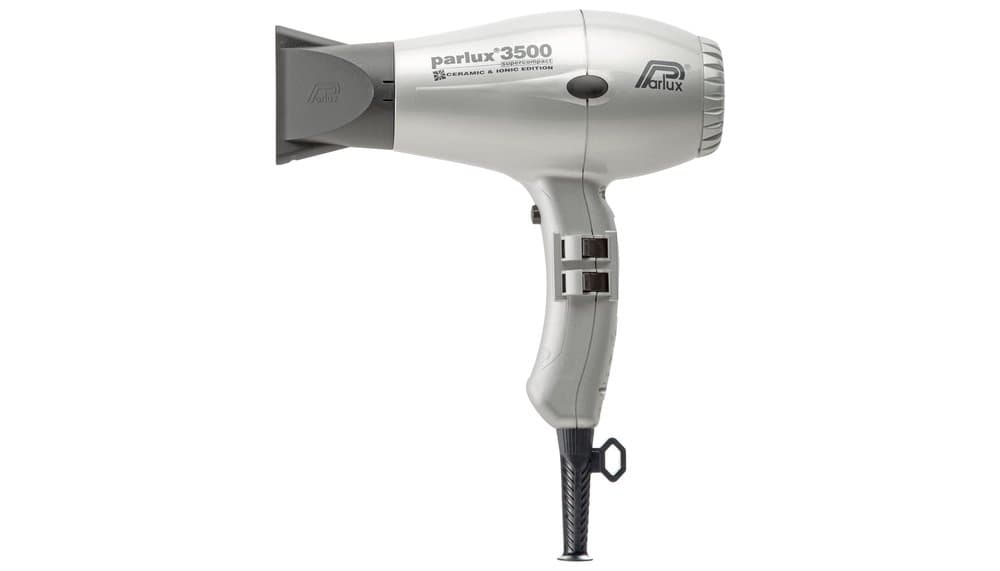
Parlux Supercompact 3500 Hair Dryer Review and Test
Powerful Parlux Supercompact 3500 hair dryer review: Professional ionic & ceramic performance for fast, healthy drying on all hair types.
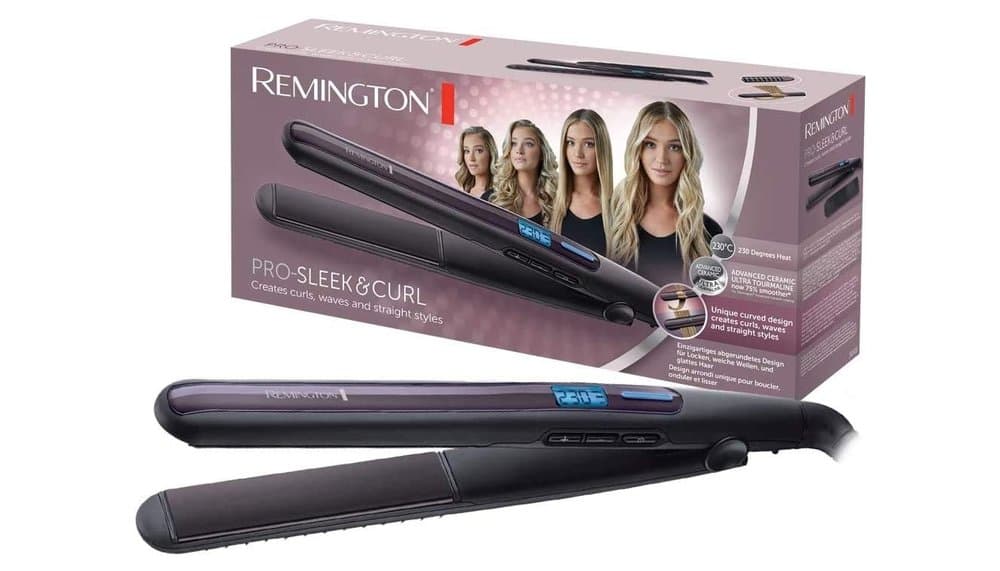
Remington S6505 Sleek&Curl 2-in-1 Hair Straightener Review
Review: Does the Remington S6505 2-in-1 straightener and curler protect hair health while performing well on all hair types?
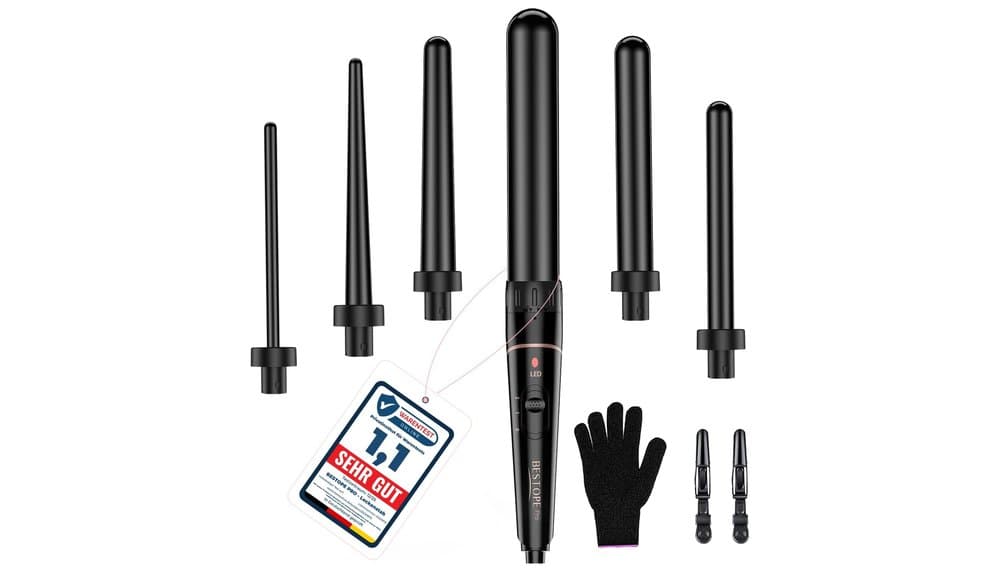
BESTOPE PRO 6 in 1 Curling Iron Set Review
Try six curl styles with one tool. Review examines the BESTOPE PRO set for effectiveness, hair health impact, and suitability for different hair types.
Guides you might like
Ultimate Guide to the Airbrush
Blow-dry brush: Dries, smoothes, and adds volume in one motion. End exhausting styling and tame your hair effortlessly. Learn if it's right for you.
Steam Straightener Buying Guide
Tame frizz & curls gently! The steam straightener hydrates hair for smooth results without damage. Learn how to choose the right one for your hair.
Hair Clip Trend Guide
Rediscover hair clips: the modern styling tool for instant, sophisticated hairstyles. A must-have accessory for any hair type.