Dabur Amla Hair Oil Review: 100 ml Test
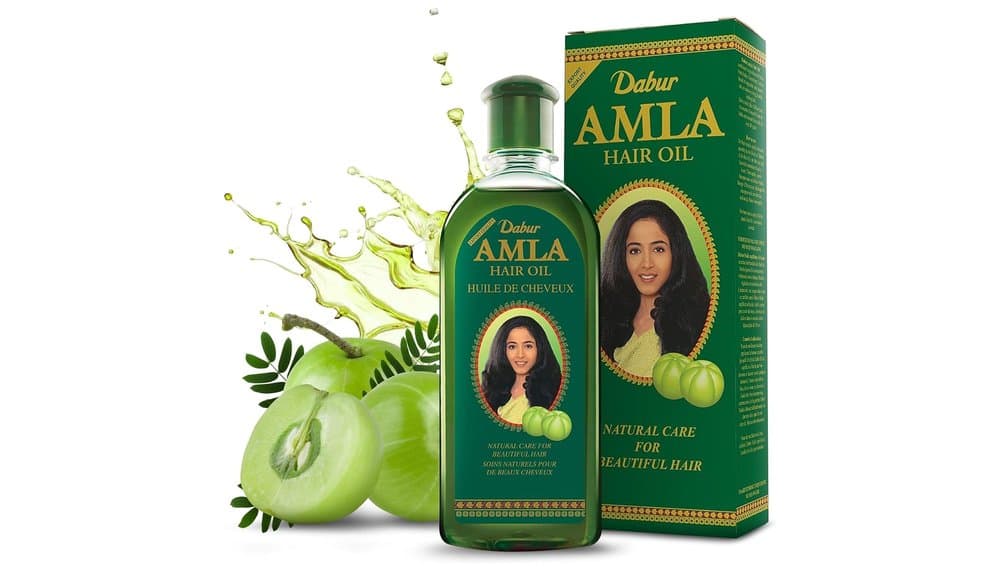
Dabur Amla Hair Oil Review: 100 ml
Introduction
In the highly dense universe of hair care, between cutting-edge technologies (ionic, ceramic) and synthetic ingredients, products rooted in traditional care regularly return to the forefront. The Dabur Amla Hair Oil 100 ml is a perfect example. Positioned as a nourishing strengthening treatment inherited from Ayurveda, it promises stronger and shinier hair through the power of amla (Indian gooseberry). But in our quest for an effective hair care routine, we must ask: does this traditional oil deliver on its promises for all hair types? Is its action compatible with our modern needs (heat protection, lightness)? We will dissect this iconic product based on its specifications, user community feedback, and expert analyses, to clearly determine its place in your hair care arsenal.
Strengths
The analysis of feedback and the formula highlights several major assets for Dabur Amla Hair Oil.
- Proven Nourishment and Strengthening: The main claim, corroborated by a majority of users, is its effectiveness in deeply nourishing the hair fiber. Hair appears to gain flexibility and resistance to breakage with regular use.
- Noticeable Shine: The shiny and lustrous effect is one of the most frequently cited benefits. The oil manages to restore shine to dull or dehydrated hair.
- Perceived Heritage and Naturalness: The presence of Amla extract, a star ingredient in Ayurveda for hair health, and the absence of alcohol in the formula reassure consumers seeking "natural" care.
- Practical and Economical Format: The 100 ml bottle, although small in appearance, offers excellent durability as the oil is used in small quantities. Its value for money for weekly use is considered very good.
Weaknesses
However, the product has characteristics that can be drawbacks, depending on your profile and expectations.
- Potentially Greasy Texture and Feel: Due to its nature as a classic mineral and vegetable oil, it can leave a greasy or heavy feel, especially on fine hair. Insufficient rinsing with shampoo accentuates this effect.
- Strong and Distinctive Scent: This is the number one point of contention. The typical amla scent, described as strong, herbal, and persistent, is divisive. It can linger slightly on the hair after washing, which puts off some users.
- Controversial Composition: Although promoted for its amla, the ingredient list reveals that the primary components are refined mineral and vegetable oils (Light Liquid Paraffin, RBD Rapeseed Oil). The amla extract is further down the list. This composition questions its "100% natural" positioning for part of the community.
- Lack of Modern Protection Technologies: This oil is a traditional nourishing treatment. It does not incorporate technologies such as ceramides (to repair the cuticle), tourmaline (to smooth without excessive heat), or ions (to seal in moisture). Its action is preventive (strengthening) and cosmetic (shine), but not a shield against thermal aggression from straightening irons.
Detailed Analysis
See priceAdaptability to Different Hair Types
The effectiveness of Dabur Amla Hair Oil varies significantly depending on your hair's nature.
- Thick, Coily, and Curly Hair: This is its preferred terrain. According to feedback, these hair types, often dry and prone to dehydration, fully benefit from the intense nourishment. The oil helps tame frizz, adds flexibility to curls, and reduces breakage related to lack of flexibility. The rich texture is better absorbed or tolerated by thick fibers.
- Fine and Flat Hair: Caution is advised. The main risk is weighing the hair down, causing it to lose volume and appear greasy, even after shampooing. The trick, shared by some users, is to apply a tiny amount (a few drops) only on very dry ends and to regularly perform a clarifying shampoo.
- Normal to Dry Hair: The product can be used successfully as a weekly pre-shampoo treatment, provided a meticulous application time and rinsing are respected. It effectively meets nutritional needs.
Impact on the Hair Fiber in the Long Term
On paper, the specifications promise strengthening and beauty from the inside out. What do regular users say?
- Strengthening and Reduced Breakage: A clear trend emerges: regular use (1 to 2 times a week as a pre-shampoo mask) is associated with hair that breaks less during brushing. The oil acts as a lubricant and coating, improving the fiber's elasticity.
- Coating vs. Penetration: The majority presence of light mineral and vegetable oils suggests a primarily occlusive and coating action. It forms a film around the hair that seals in moisture and smooths the cuticle (hence the shine). However, it does not penetrate the fiber deeply as some pure vegetable oils or targeted synthetic actives might. Its long-term impact is therefore more of preventive maintenance through surface nourishment and protection, rather than deep reconstruction of very damaged hair.
- Heat Protection: This is not a heat-protectant serum or spray. It does not contain polymers that form a protective film against high temperatures. Its usefulness against heat is indirect: by nourishing and strengthening the hair, it makes it more resistant to aggressions in general. But it should never replace a product dedicated to thermal protection before using a straightening iron or hair dryer.
Comparison with Modern Technologies
It is crucial to understand that Dabur Amla Hair Oil belongs to a different category than styling tools or technological serums.
- Ceramic / Tourmaline / Titanium: These materials are related to styling tools (irons, brushes). They heat more evenly and sometimes emit negative ions to seal the cuticle. Dabur Amla Oil is a preparation or recovery treatment, not a styling tool. It is complementary: one can use it as a treatment the night before, then style the next day with a ceramic tool while applying a protective serum.
- Ionic Technology: Ionic appliances aim to reduce frizz by neutralizing static electricity. The oil, through its greasy film, also works against frizz by smoothing it mechanically, but through a completely different principle. The effect is less "technical" and more cosmetic.
- Steam: Steam treatments or appliances open the hair's cuticles to allow actives to penetrate. Dabur Amla Oil, applied to dry or damp hair, works on a cuticle that one rather seeks to close to obtain shine. To optimize its effect, some users apply heat (warm towel, cap) during the application time, which can aid slight penetration.
Ease of Daily Use
The routine involved with this oil is not that of a "quick fix" product.
- Application Method: The instructions and the community agree: for best results, it should be applied as a pre-shampoo mask with a
Free content, no sponsors — Our editorial process is fully independent and receives no brand funding. Some links are affiliate links: if you purchase through them, we earn a small fee, at no additional cost to you.
Articles you might like
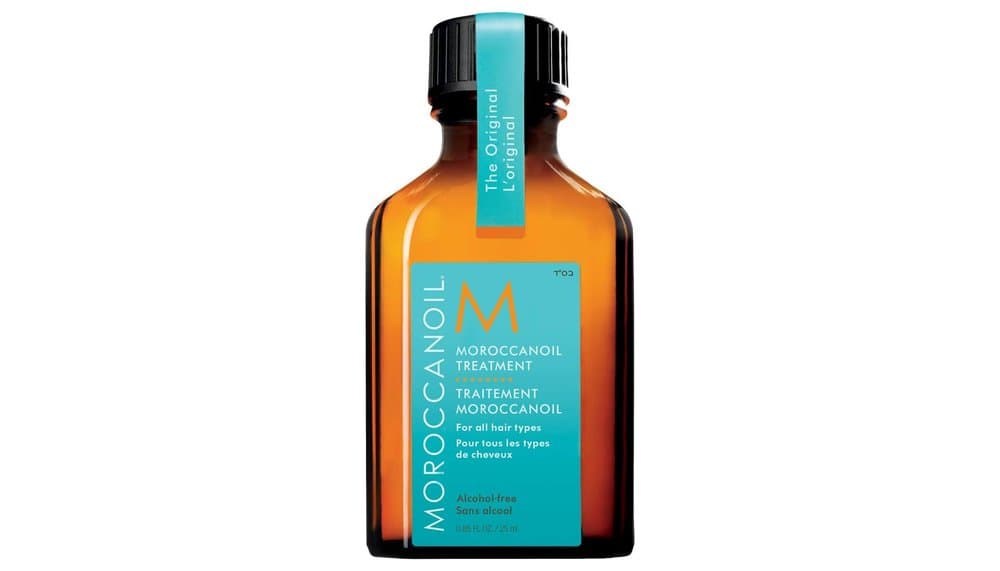
Moroccanoil Hair Oil Treatment Review
Examine the iconic Moroccanoil Treatment: a technical breakdown of its argan oil formula, benefits, and suitability for different hair types.
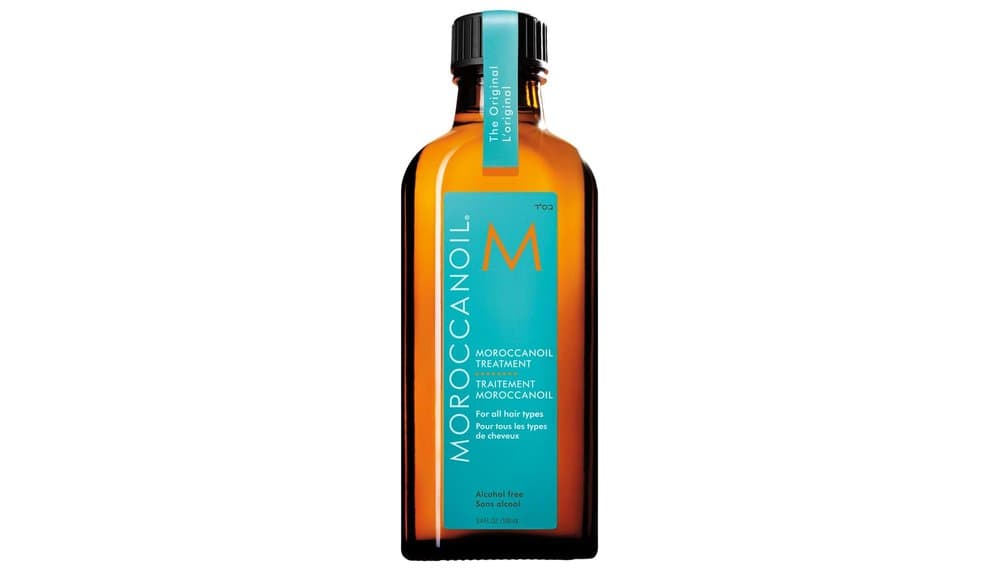
Moroccanoil Treatment Light Hair Oil Review
Moroccanoil Treatment Light: A lightweight argan oil formula for fine hair. Delivers shine, softness & manageability without weighing hair down.
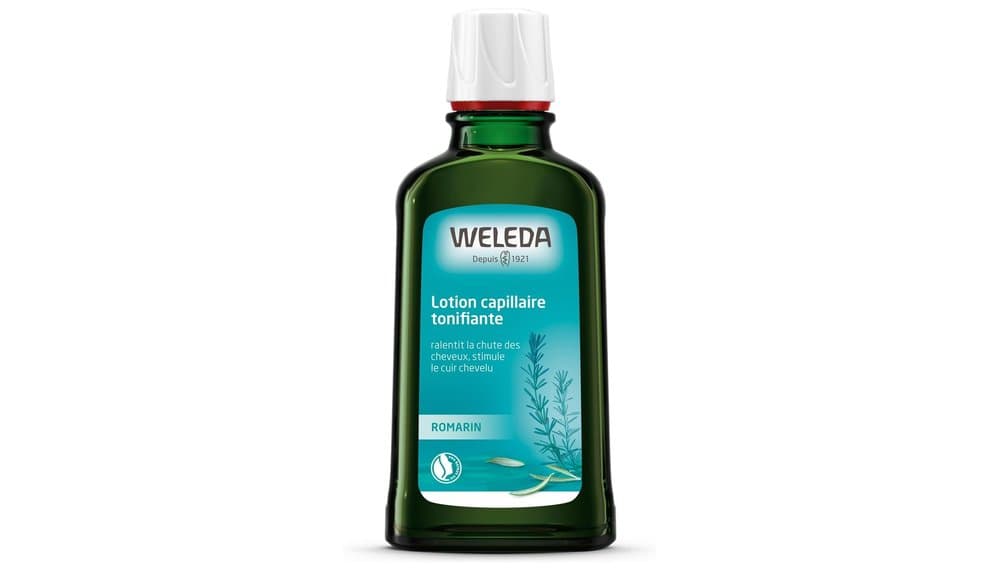
Weleda Rosemary Hair Lotion Review & Scalp Treatment Test
Stimulate hair growth & fight loss naturally. Weleda's certified organic, vegan rosemary lotion: a century-old scalp tonic for stronger, healthier hair.
Guides you might like
Curling Short Hair
Rediscover your short hair! Learn how a curling iron sculpts your cut, adds movement, and defines curls with the right technique and barrel size.
Curly Hair Masks: Buying Guide
Transform your curl routine. Discover how a hydrating curl mask deeply nourishes, defines, and tames frizz for effortless, beautiful curls.
Guide To Choosing A Pro Hair Dryer
Struggling with dull, frizzy hair? A professional hair dryer can transform your routine. Learn how to choose the right one without overspending.