Curly Girl Method backlash: why some curlies go back to sulfates and silicones
For years, the Curly Girl Method came with a short list of forbidden words: sulfates, silicones, brushes. Lately, a growing number of curly-haired people are quietly putting some of those ingredients back on the shelf. On Reddit's r/curlyhair, a thread titled "Going back to sulfates and silicones" became a popular discussion. Let's be honest: this is not a scandal, and it does not mean the method was useless. It is a good moment to look at what the rules were, and at what cosmetic chemists and dermatologists actually write about these ingredients.
Key Points to Remember
- The Curly Girl Method, popularized by hairstylist Lorraine Massey, asks for sulfate-free cleansers and silicone-free conditioners and stylers.
- The method itself has not been the subject of large-scale research; its reputation rests mostly on practical use.
- Cosmetic science reviews describe sulfates as strong, effective cleansers, and point out that "sulfate-free" says little about how gentle a shampoo is.
- Silicones differ: some rinse out easily, some evaporate, and some can build up and need a stronger cleanser to remove.
What the Curly Girl Method asks you to do
The method was popularized by hairstylist Lorraine Massey in her 2001 book Curly Girl: The Handbook. As summarized by Healthline, the core routine is:
- Cleansing: a sulfate-free shampoo, massaged into the scalp.
- Conditioning: a silicone-free conditioner, applied generously, with some or all of it left in.
- Detangling: only on wet hair, without brushes or fine-tooth combs.
- Drying: no vigorous towel rubbing; blot with a cotton T-shirt, or use a diffuser on low heat.
- Styling: a silicone-free gel or cream on damp hair, then scrunching once dry.
The reasoning behind the two ingredient bans, in the same summary: sulfates can strip oils and add to dryness and frizz, and silicones can build up and weigh curls down. Healthline also notes that the method has not been included in any large-scale research, and that its success is attributed mainly to practical use and testimonials.
Why some people are relaxing the rules
The backlash is less about rejecting the whole method than about questioning the two blanket ingredient bans. The scientific literature gives three reasons to look at them more closely.
Buildup can come from many ingredients, not only silicones. A dermatology review by D'Souza and Rathi explains that styling polymers in sprays, gels and mousses build up on the hair shaft with continuous use and can leave hair rough and dull. Their example of a cleanser that removes them is a deep-cleaning shampoo built on lauryl sulfates. Gavazzoni Dias, in a review of hair cosmetics, also notes that some conditioning polymers can build up and resist shampooing. In other words, a routine heavy in gels and leave-in products can need a stronger wash from time to time, silicones or not.
"Sulfate-free" does not automatically mean "gentle". Chemist Michelle Wong, who writes the Lab Muffin Beauty Science blog, argues that a formula's overall design matters more than any single ingredient, and that the "sulfate-free" label is a poor predictor of how strongly a shampoo cleans.
Silicones do useful work. A 2025 review in Skin Appendage Disorders (Carvalho, Melo, Kelati and Tosti) describes silicones as film formers that reduce friction during combing, act as a barrier against humidity and help minimize frizz. For curly or textured hair, it states that amino-functional and water-dispersible silicones can improve definition and reduce dryness.
What cosmetic science says about sulfates
"Sulfates" in hair care usually means sodium lauryl sulfate (SLS) and sodium laureth sulfate (SLES), two anionic surfactants. They are not identical in how reviews describe them:
- Lauryl sulfates (SLS and relatives): D'Souza and Rathi call them popular primary cleansers that produce rich foam and rinse easily, commonly used in shampoos for oily hair. Because hair can feel harsh afterwards, they add that formulators pair them with a secondary detergent and often a conditioning agent.
- Laureth sulfates (SLES and relatives): the same review describes them as excellent detergents with good cleansing ability, useful for normal-to-dry hair, and mentions them among the milder detergents used in 2-in-1 shampoos.
- Milder families: amphoteric surfactants such as cocamidopropyl betaine are used in baby shampoos and for fine or damaged hair, and nonionic surfactants are described as among the mildest of all cleansers.
Gavazzoni Dias adds a point that matters for curls: anionic surfactants are very good at removing sebum and dirt, but they can increase the negative electrical charge on the hair surface, which increases frizz and friction. That is why most shampoos combine them with other surfactants. At the time of writing (2015), the same review noted that there was no published analysis of how sulfate-free products perform on cleansing or hair damage.
In practice, the useful question is less "sulfates or not?" than "how strong is this whole formula, and how often do I use it?" D'Souza and Rathi note that modern shampoos usually mix two to four surfactants, chosen for the hair type the product targets, and Lab Muffin makes the same point about judging the formula as a whole.
Water-soluble, insoluble and volatile silicones
The silicone rule is where most of the confusion lives, because "silicone" covers very different molecules. The 2025 Skin Appendage Disorders review sorts them like this:
| Type | Examples named in the review | What the review says |
|---|---|---|
| Water-insoluble | dimethicone, amodimethicone | Strong film-forming and conditioning effect; may accumulate if not properly cleansed |
| Water-soluble | dimethicone copolyol | Rinses out more effectively, so less concern about residue |
| Volatile | cyclomethicone, cyclopentasiloxane | Evaporates after application, light finish without residue |
| Amino-functional | amodimethicone | Binds preferentially to the most damaged areas of the hair shaft |
The same review adds a caution that explains why the Curly Girl Method banned them in the first place: removing water-insoluble silicones requires strong surfactants, which can be harsh on delicate or textured hair. Its practical advice is to alternate between silicone-based and silicone-free products and to use a clarifying shampoo periodically, especially on fine or oily hair, while avoiding excessive clarifying.
On amodimethicone, Michelle Wong (Lab Muffin) writes that positively charged silicones such as amodimethicone tend to deposit less on hair, and that "weighed-down" hair usually comes from a mismatch between product and hair type rather than from silicones alone. She also explains why the popular "scrape test" for silicone buildup is not reliable.
Clarifying washes: the middle ground
Many people who leave strict Curly Girl rules do not switch to a sulfate shampoo every day. They add an occasional clarifying wash, which is what the sources describe:
- Frequency: D'Souza and Rathi say deep-cleaning shampoos are typically used once a week by people who use a lot of styling products. Gavazzoni Dias describes an anti-residue shampoo (with ammonium laureth sulfate) used every 10 washes, or more often if needed.
- Follow-up: Gavazzoni Dias recommends following that wash with a thick moisturizing mask, and notes that heavily highlighted hair is the most sensitive to anti-residue formulas, so it may need them less often or not at all.
- Labels: Lab Muffin points out that a shampoo labelled "clarifying" is designed to clean more, with or without sulfates.
If you want to pair a clarifying wash with a richer conditioning step, our curly hair masks buying guide covers textures and ingredients.
How to decide what fits your hair
There is no single right answer, but the sources above suggest a few cosmetic questions to ask yourself:
- How much product do you leave in? Lots of gels, creams and leave-ins make buildup more likely, which is where an occasional stronger wash comes in (D'Souza and Rathi; Gavazzoni Dias).
- Is your hair fine or thick? The Skin Appendage Disorders review suggests volatile or water-soluble silicones for fine or limp hair, and says thicker or coarse hair can benefit from heavier silicones.
- Does your scalp feel oily while your lengths feel dry? Gavazzoni Dias notes that curly and wavy hair are more prone to an oily scalp with a drier fibre. The American Academy of Dermatology advises washing based on how quickly hair gets oily, applying shampoo to the scalp rather than the whole length, and conditioning the full length of curly hair.
- How often do you wash? The AAD suggests that dry, curly or thick hair be shampooed when needed, at least once every 2 to 3 weeks.
If you notice persistent itching, flakes, redness or any other scalp concern, the AAD recommends seeing a board-certified dermatologist rather than changing products on your own.
A practical way to approach it is to change one variable at a time, for example adding one clarifying wash or one silicone-containing conditioner, and watching how your curls respond over a few weeks.
Shampoos and conditioners on boucleurs
If you are comparing formulas, these pages describe products from both camps, based on manufacturer information and buyer feedback:
- Sulfate-free shampoos: the Naturé Moi Sulphate-Free Colour Shampoo and the OLAPLEX No 4 Shampoo Gel, which the brand presents as formulated without sulfates.
- A shampoo with a sulfate base: the Franck Provost Expert Repair Shampoo, whose formula includes sodium laureth sulfate and no silicones.
- A purifying shampoo for occasional use: the L'Oréal Professionnel Dermo-Purifying Scalp Shampoo, a clay-based formula aimed at oily roots.
- Silicone-free conditioners: the ENOOSO Solid Conditioner Bar and the ENERGIE FRUIT Coco Curl Conditioner Mask.
Sources
All pages were read on 23 November 2026.
- Healthline, "Curly Girl Method: Tips and Tricks" (Hope Gillette, medically reviewed by Bukky Aremu, APRN, 29 May 2025): Lorraine Massey and Curly Girl: The Handbook (2001), the core steps, the reasons given for the sulfate and silicone bans, and the absence of large-scale research.
- D'Souza P, Rathi SK. "Shampoo and Conditioners: What a Dermatologist Should Know?" Indian Journal of Dermatology, 2015 (doi:10.4103/0019-5154.156355): lauryl and laureth sulfates, amphoteric and nonionic surfactants, styling polymer buildup, deep-cleaning shampoos.
- Gavazzoni Dias MF. "Hair cosmetics: an overview." International Journal of Trichology, 2015 (doi:10.4103/0974-7753.153450): anionic surfactants, frizz and friction, sulfate-free products, polymer buildup, anti-residue shampoo frequency, curly hair and sebum.
- Carvalho RM, Melo DF, Kelati A, Tosti A. "With or without Silicones? A Comprehensive Review of Their Role in Hair Care." Skin Appendage Disorders, 2025 (doi:10.1159/000546651): silicone classes, buildup and removal, clarifying, choices by hair type.
- Michelle Wong, "Sulfate-Free Shampoo? The Science", Lab Muffin Beauty Science, 14 May 2023: sulfate-free labels, formula design, clarifying shampoos.
- Michelle Wong, "Busting Hair Conditioner Myths: Build-Up, Silicones, Weighing Hair Down etc.", Lab Muffin Beauty Science, 20 August 2021: amodimethicone, weighed-down hair, the scrape test.
- American Academy of Dermatology, "Tips for healthy hair" (last updated 12 August 2024): washing frequency, applying shampoo to the scalp, conditioning curly hair, seeing a dermatologist.
- Reddit, r/curlyhair: the "Going back to sulfates and silicones" thread, cited only as a popular discussion.
Free content, no sponsors — Our editorial process is fully independent and receives no brand funding. Some links are affiliate links: if you purchase through them, we earn a small fee, at no additional cost to you.
Guides you might like
Articles you might like
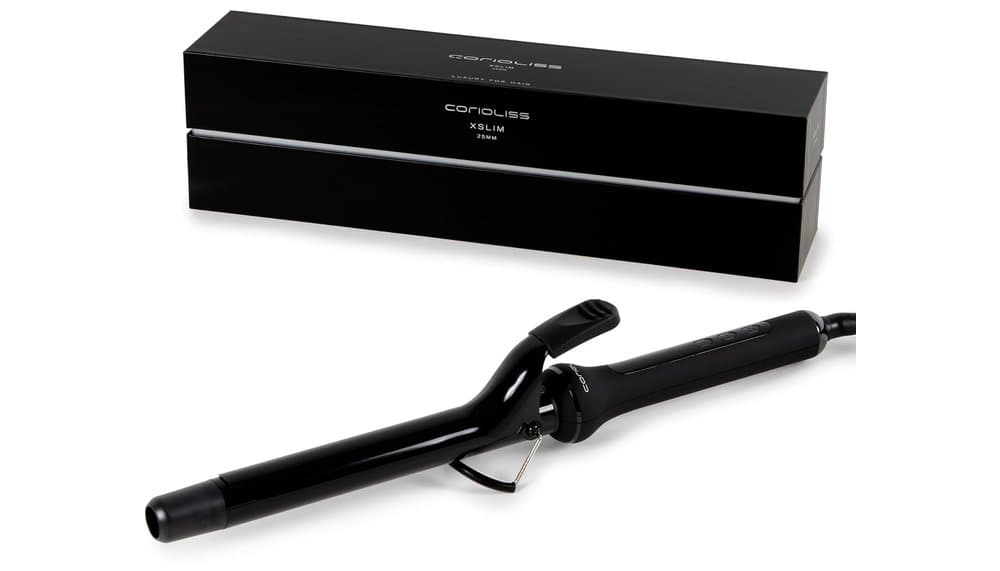
Corioliss X-Slim Curling Iron: Professional Review
Professional Corioliss X-Slim Curling Iron review. Does it style efficiently while respecting hair health? Analysis of ceramic, tourmaline & ion tech.
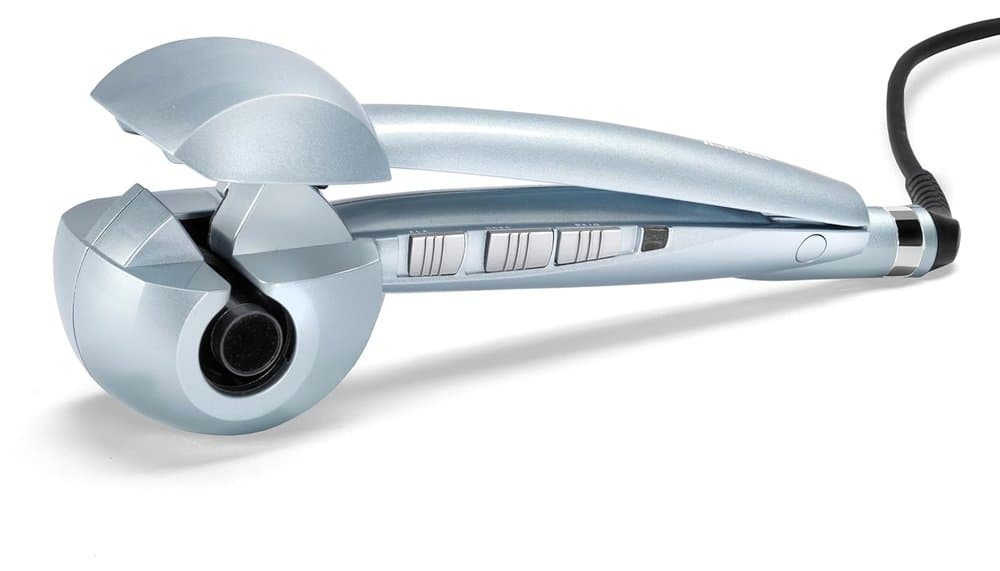
BaByliss Curl Secret Hydro-Fusion Curler Review
Discover if the BaByliss C1700E automatic curler lives up to its promise of easy, hydrated, and protected curls in our in-depth review.
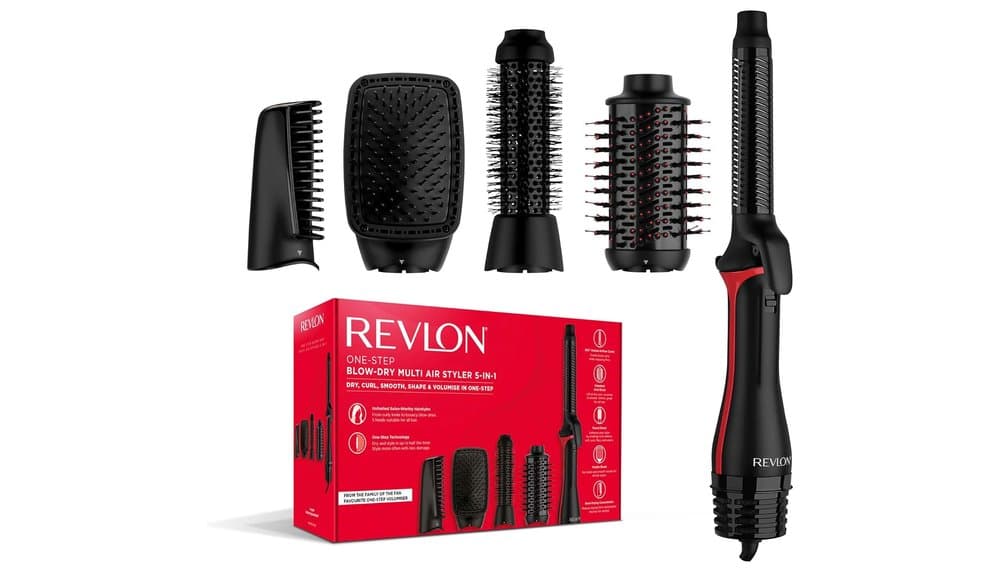
Revlon One-Step 5-in-1 Styler: Full Review
Analyze Revlon's 5-in-1 hot air styler. We examine if it delivers salon blowouts at home for different hair types and protects hair health.